Unlike most clothing, leather can’t be tossed in the washing machine. Water, detergent, and improper cleaning methods can leave leather stiff, discolored, misshapen, or completely ruined.
So, how do you wash leather safely? The right method depends on the type of leather, the item itself, and what you’re trying to remove. Some basic cleaning and maintenance can be done at home, but leather requires a little more care than your average load of laundry.
Can You Clean Leather at Home?
For minor dirt, small spills, and everyday maintenance, smooth, finished leather can often be cleaned at home. Before you begin, always check the item’s care label and test any cleaning method on a small, hidden area first. And of course, use your best judgement and proceed at your own risk!
Suede, nubuck, and specialty leathers have different care requirements and are NOT good candidates for the home cleaning methods below.
For a small spot or surface dirt on finished leather:
- Remove loose dirt first. Use a clean, dry, soft cloth to gently wipe away dust and debris.
- Use as little moisture as possible. Dampen a soft cloth with water and wring it out almost completely. The cloth should be barely damp, not wet.
- Gently blot or wipe the area. Avoid aggressive scrubbing, which can ruin the leather’s finish or spread the stain.
- For tougher spots, use a leather-specific cleaner. Follow the product directions and test it in a hidden area first. Never use laundry detergent, bleach, disinfecting wipes, alcohol, or general household cleaners unless the item’s manufacturer specifically recommends them.
- Let the leather air dry naturally. Don’t use a hair dryer, heater, or direct sunlight to speed things up. Heat will dry out and damage the leather.
- Consider conditioning the leather. A leather conditioner can restore moisture and keep finished leather soft after cleaning. But as always, make sure the product is appropriate for your item before using it!
If you spill something on leather, blot it as soon as possible rather than rubbing it into the material. And resist the urge to keep adding water or cleaning products if a stain isn’t coming out – that’s usually the point when DIY cleaning can do more harm than good.
When Should Leather Be Professionally Cleaned?
Some leather problems require more than surface cleaning. Stubborn stains, grease and oil, lingering odors, mold or mildew, and discoloration are all good reasons to have an item professionally cleaned.
Professional care is also a smart choice for suede and nubuck, which are extra sensitive to water and improper cleaning, as well as expensive, vintage, structured, or sentimental pieces where experimenting at home isn’t worth the risk.
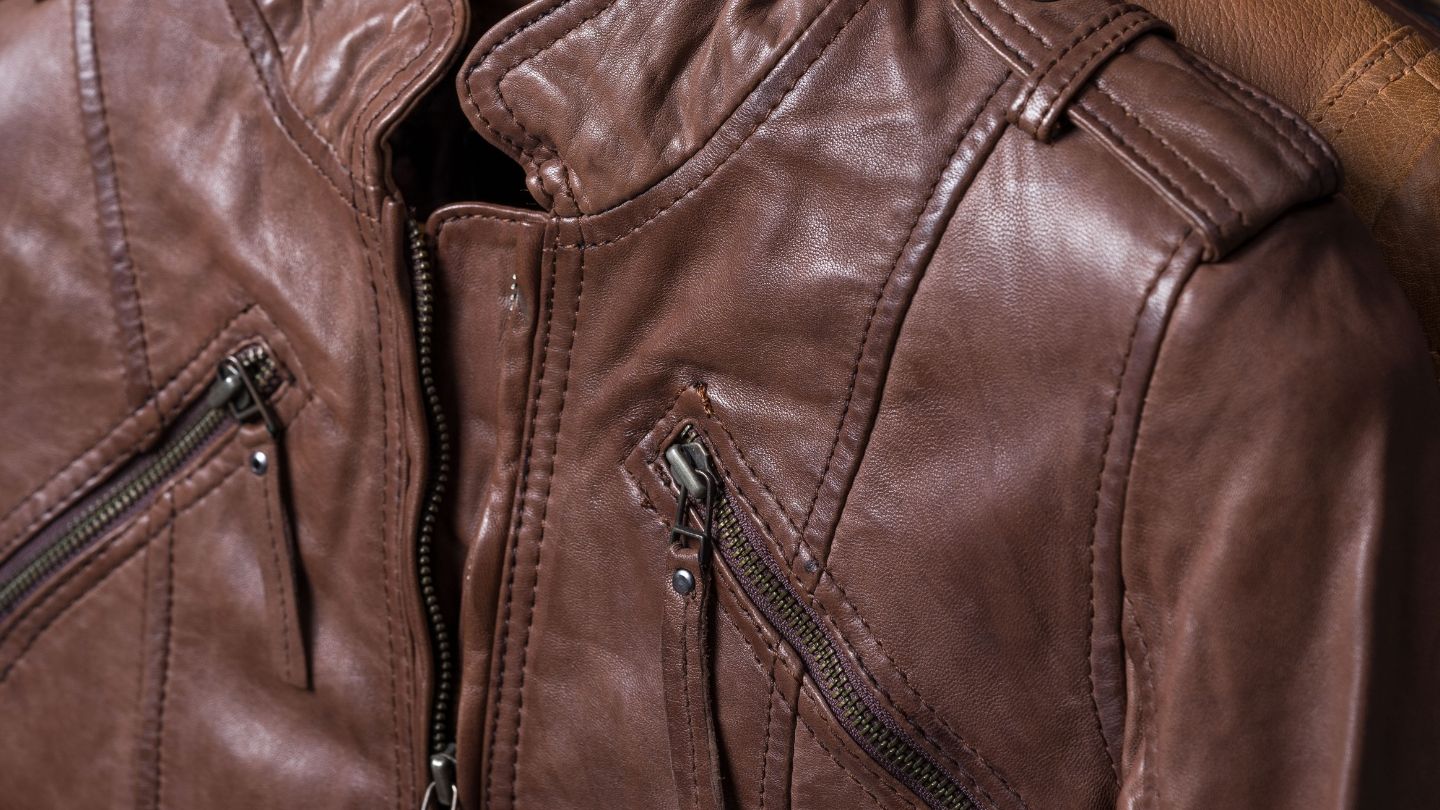
Leather jackets and coats can also benefit from periodic professional cleaning even without obvious stains. Collars, cuffs, and other high-contact areas gradually collect body oils, sweat, and dirt that may not be noticeable right away. Proper cleaning and conditioning can help preserve the leather’s appearance and feel as it ages.
Keep Your Leather Looking Its Best
Good leather care continues between cleanings. Keep your leather pieces in a cool, dry place with room to breathe – never sealed tightly in plastic. Keep leather away from prolonged heat and direct sunlight, and deal with spills immediately before they have time to set.
With proper care, a quality leather piece should last decades. Our team of leather experts at Kean’s has been professionally cleaning leather in Baton Rouge for over 100 years. Trust us to help protect your leather jackets, coats, bags, suede, and other specialty pieces for years to come!